This was not a story I expected to cover on Christmas Day.
I was partnered with Natalie Wadas a fierce, steady reporter, the kind you want beside you when things get chaotic. At the time, it felt routine. By the end of the day, I understood how important that pairing would be.
It’s hard to explain to people who haven’t done this work, but getting sent to a call like this feels a lot like leaving the wire in combat. There’s no single emotion. It’s anxiety layered with frustration, curiosity, and a quiet readiness you don’t consciously choose. Your body just shifts gears.
Breaking news is the tip of the spear. I’ve always understood that instinctively. In the Army, as an infantryman, I would rather be on the front lines than in the rear peeling potatoes. That mentality never really leaves you. It just finds a new outlet.
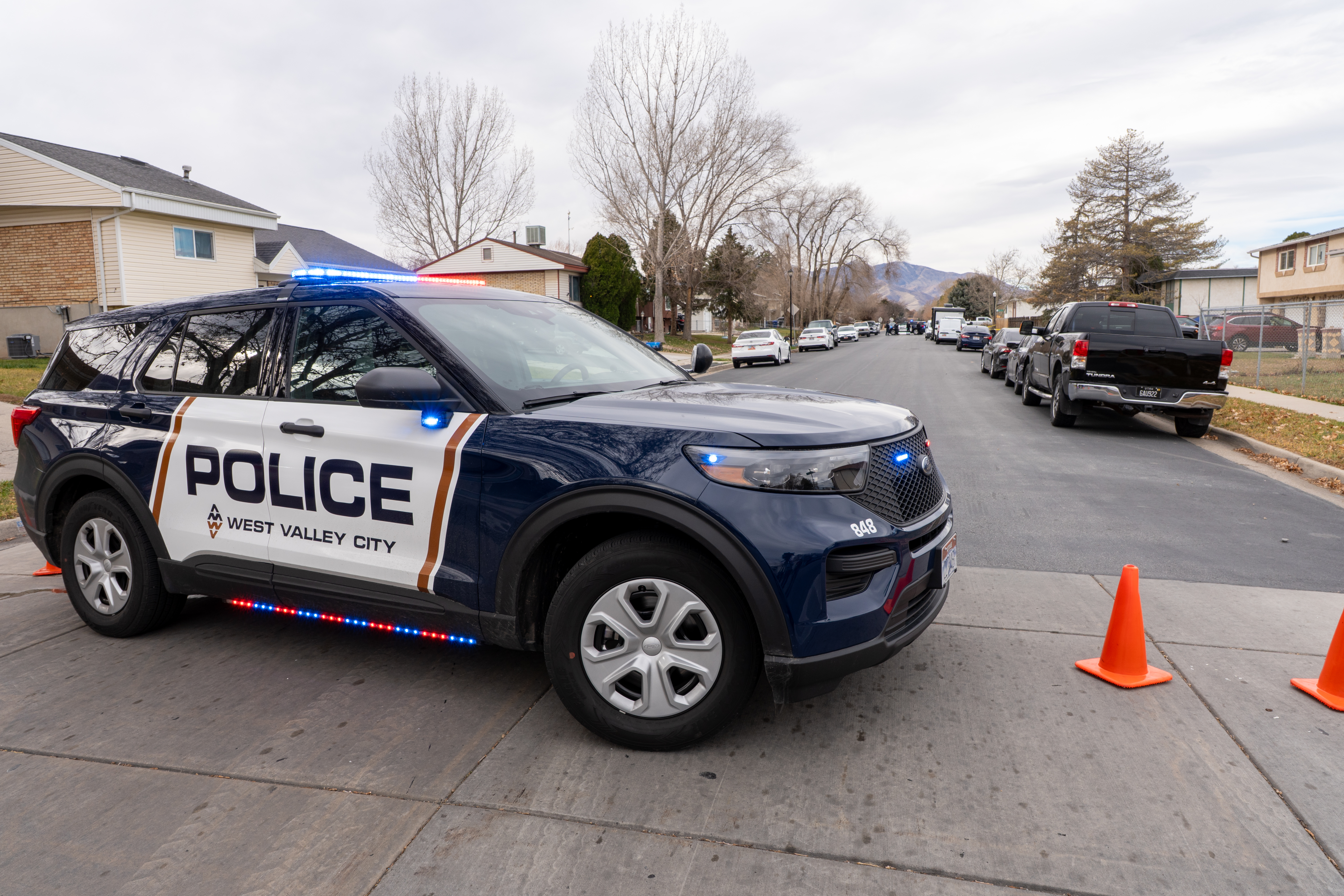
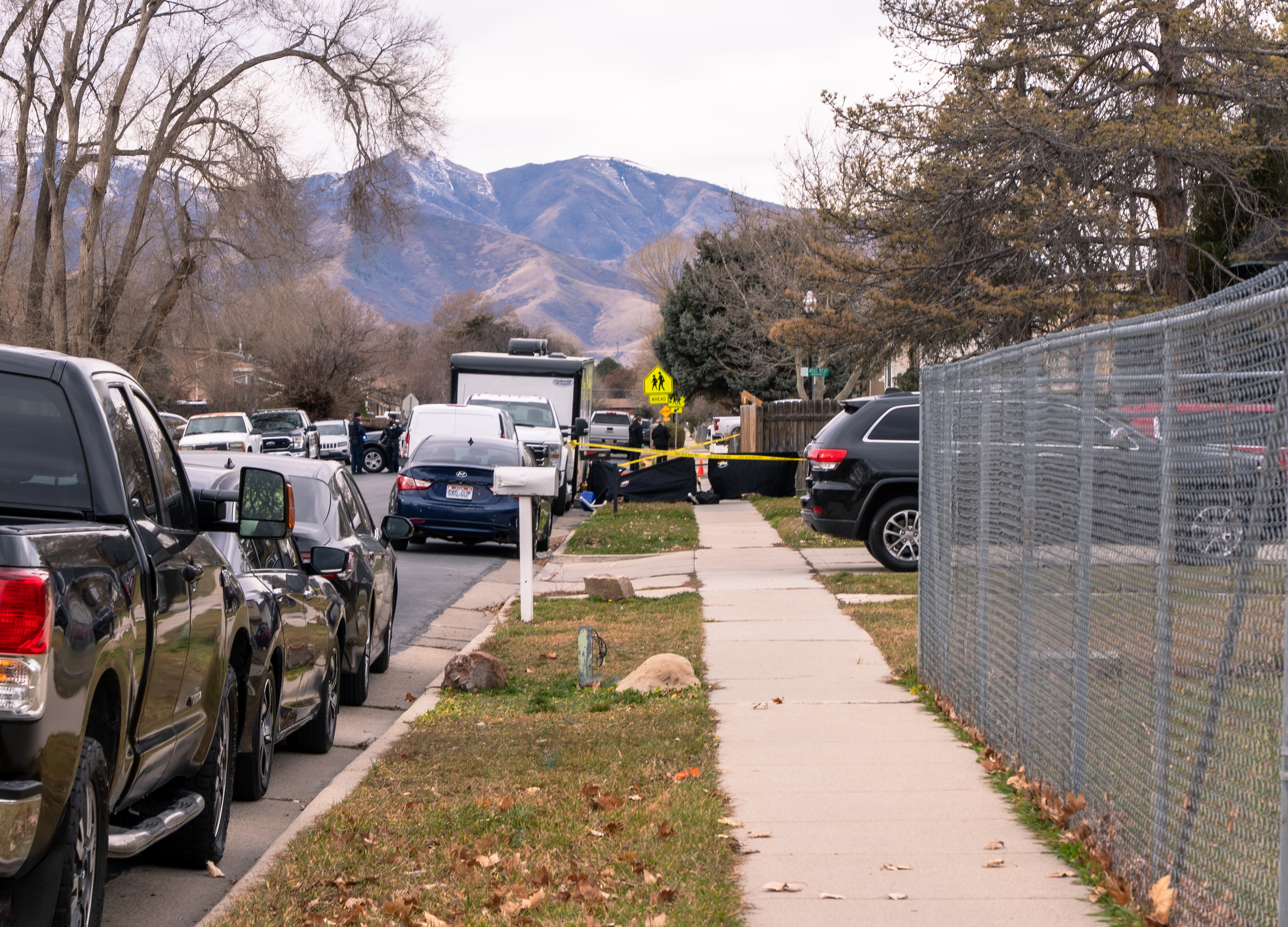
When we got to work, the assignment desk immediately sent us to an unconfirmed fatality in West Valley. Most of the time, calls like that end up being nothing. A welfare check. A misunderstanding. We drove to the location we were given and saw nothing at first. No tape. No lights. Just a quiet neighborhood.
Then, a few moments later, we saw the flashing red and blue in the distance. Yellow tape fluttering in the wind.
Natalie and I looked at each other. This was the spot.
There’s always more at a scene than what people see on television or social media. We don’t air dead bodies. We don’t show the worst of it. But my camera roll tells a different story. It’s filled with images most people will never see images that stay with you long after you put the camera down.
The body was covered by a privacy screen, but the wind was fierce that day. Every so often, the screen lifted just enough to reveal what lay beneath, someone left on the cold December ground in West Valley.
I parked the truck, and we went straight to work.
I began spraying the scene, wide shots, tape, police movement—while Natalie immediately started talking to neighbors and witnesses. As I filmed, my stomach dropped, the same way it always does when I’m confronted with images like this. You don’t get used to it. You just learn how to function through it.
Natalie interviewed a neighbor who asked that his face not be shown. His name was Steve. He was there with his daughter. As he described what he saw, his voice started to break. He talked about the blood, how it flowed down the street.
It hit me like a ton of bricks.
Steve began to tear up, and for a moment, I was left completely speechless. But the job doesn’t allow for that. No matter what’s in front of you, you stay professional. You stay aware. You keep the camera steady.
We set up for a live hit for the noon show, telling our audience what we knew and making it clear that information was still coming in.
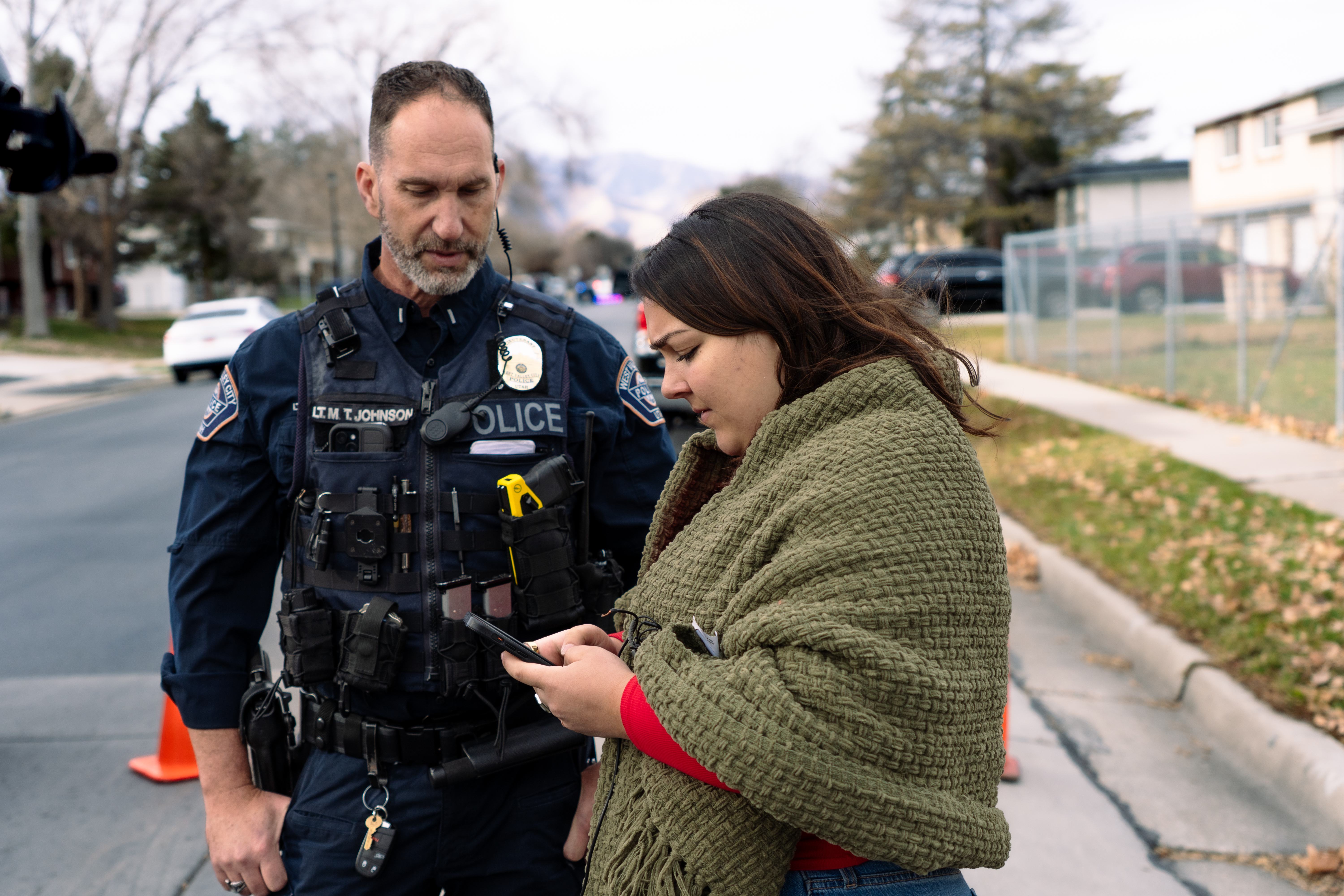
Shortly after, the watch commander approached us. That’s usually a good sign. It means answers are coming. We learned that this was being treated as an intentional homicide, not natural causes.
The entire time, one thought kept circling in my head:
Why on Christmas?
Eventually, we had what we needed. Natalie had statements from the police and the neighbor. I had the visuals ready for the 10 p.m. show. We headed back to the station to edit.
I spent nearly two hours cutting the story. I was completely finished when Natalie walked into my edit bay without hesitation.
She told me she had just received new information. The story needed to be rewritten. Retracked.
“That sucks,” I said. “I just got done editing.”
Then she told me what we had learned.
Fabiola Lara, the girlfriend of the victim, Jose Humberto, had been charged and booked into jail for the murder. Earlier that morning, during a Christmas party, Jose had allegedly been taking the leggings off Fabiola’s eleven-year-old daughter.
Police had been called to that same party around 1:30 a.m. regarding the incident with the child. When officers arrived, Jose was nowhere to be found.
Now he was dead.
As I re-edited the story, the weight of it all settled in. The questions were unavoidable. Did she call the police and then stab him? Or did she stab him and then call the police?
There are moments in this job, just like in combat where there are no clean answers. You carry the images. You carry the questions. And you move on to the next call, knowing some part of you stays behind at the scene.
Even on Christmas.